Trees bring natural beauty, comfort, and environmental benefits to residential and commercial properties. They provide shade during warm weather, improve air quality, support wildlife, and make outdoor spaces more enjoyable. However, healthy trees do not simply depend on favorable weather conditions. They also need proper maintenance to develop strong roots, maintain healthy branches, and resist common environmental challenges. Understanding how to care for trees throughout the year can help property owners protect their landscapes and avoid unnecessary damage.
One important part of tree maintenance is paying attention to the condition of the leaves. Foliage often provides useful clues about a tree’s overall health. Healthy leaves generally have a consistent color and normal growth pattern, while yellowing, curling, spotting, or premature leaf loss may indicate stress. These changes can result from insufficient water, nutrient deficiencies, insect activity, or disease. Observing these symptoms early helps property owners investigate potential problems and arrange appropriate treatment before the tree becomes severely affected.
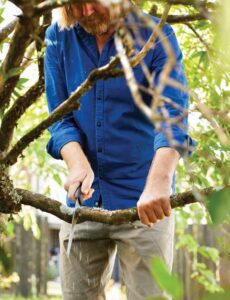
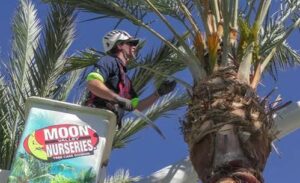
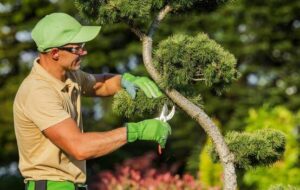
Maintaining healthy branches is another essential responsibility. Trees naturally develop new growth, but some branches may become weak, damaged, or poorly positioned over time. Regular pruning helps remove unwanted growth and improves the overall structure of the canopy. It can also prevent branches from interfering with nearby buildings, vehicles, and outdoor pathways. Proper cutting techniques are important because incorrect pruning can damage the tree and make recovery more difficult. Large or hazardous branches should be handled by trained tree care professionals.
Water management also plays a significant role in maintaining strong trees. Different species have different moisture requirements, and watering schedules should reflect the tree’s age, soil conditions, and surrounding climate. Newly planted trees generally need more frequent attention because their roots are still developing. During dry periods, deep watering can help maintain sufficient moisture around the root zone. Applying organic mulch provides additional support by reducing evaporation and helping regulate soil temperature.
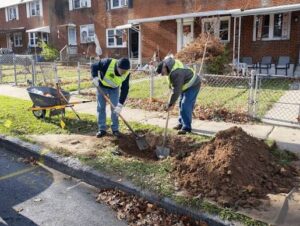
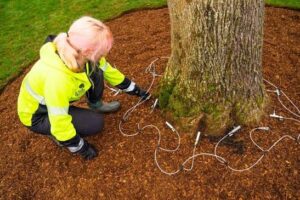
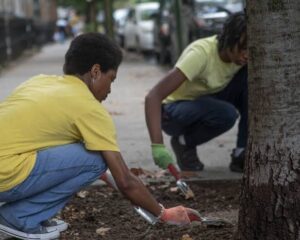
Another important consideration is protecting the soil surrounding established trees. Compacted soil can prevent roots from receiving enough oxygen and water, while poor drainage may contribute to root deterioration. Avoiding unnecessary digging, construction activity, and heavy traffic around the root zone helps preserve underground structures. Adding compost when appropriate can improve soil quality and provide nutrients that support healthy development.
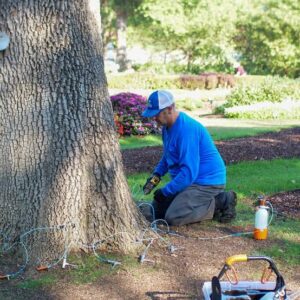
Pest prevention and disease management should also remain part of a regular maintenance routine. Certain insects feed on leaves, bark, and branches, while fungal infections can affect different parts of a tree. Unusual holes, discolored foliage, damaged bark, and declining growth may indicate a developing problem. Keeping trees healthy through proper maintenance can improve their ability to tolerate environmental stress. When serious symptoms appear, consulting a qualified arborist can help identify the cause and determine the right solution.
Seasonal inspections are particularly useful because weather conditions can create different maintenance challenges throughout the year. Strong winds may break branches, heavy rainfall can affect soil stability, and prolonged heat can increase moisture requirements. Checking trees after severe weather helps property owners recognize damage and address safety concerns before they become more serious.
Ultimately, maintaining healthy trees requires patience, observation, and consistent effort. By protecting roots, managing water, pruning carefully, and monitoring for pests and diseases, property owners can support long-term tree health. Regular attention not only preserves the natural beauty of a landscape but also creates safer outdoor spaces and contributes to a greener environment.